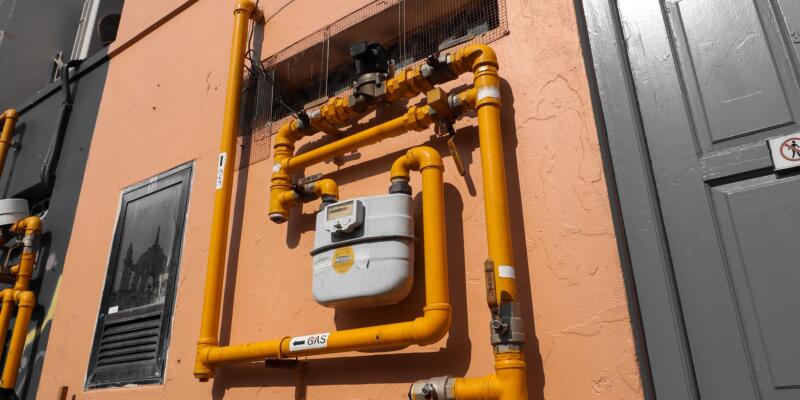
Gas Main Installation: A Step-by-Step Guide
Ensuring a safe and efficient supply of gas is crucial for industrial and commercial operations. Gas mains play a pivotal role in this process, and their installation demands precision, compliance with regulations, and a strong commitment to safety. In this comprehensive guide, we will walk you through the step-by-step process of gas main installation, highlighting the key factors to consider at each stage.
1. Preparation and Planning:
The success of any gas main installation project begins with careful preparation and planning. This initial phase involves:
- Site Assessment: A thorough evaluation of the site to determine the ideal gas main route, taking into account safety, accessibility, and future maintenance needs.
- Gas Flow Calculations: Precise calculations of gas flow requirements to ensure that the chosen pipe size and capacity can meet the demands of your facility.
- Permitting: The acquisition of necessary permits and approvals from local authorities to ensure compliance with safety and environmental regulations.
- Risk Assessment: Identifying potential hazards and risks associated with the installation and developing strategies to mitigate them.
2. Material Selection:
Selecting the right materials is vital for the longevity and reliability of your gas mains. Considerations include:
- Pipe and Fittings: Choosing high-quality materials to withstand the demands of your specific industrial or commercial environment.
- Corrosion Resistance: Assessing the need for corrosion-resistant coatings or materials if your facility is located in a corrosive environment.
3. Excavation and Trenching:
Once the planning is complete, it’s time to move on to the practical installation process:
- Equipment and Safety: Utilising appropriate excavation equipment and ensuring that safety measures are in place to protect workers and prevent accidents.
- Trench Depth: Adhering to local regulations regarding trench depth and width to ensure the stability of the gas mains.
4. Pipe Installation:
With the groundwork laid, it’s time to lay the actual gas pipes. This step involves:
- Connection Methods: Depending on the type of pipes used, this may involve welding, threading, or other specialised connection methods.
- Quality Control: Implementing stringent quality control measures during installation to prevent leaks, defects, or damage to the pipes.
5. Safety Measures:
Throughout the installation process, safety remains paramount:
- Gas Detection Systems: Employing gas detection systems to monitor gas levels and detect potential leaks.
- Protective Gear: Ensuring that workers are equipped with appropriate protective gear and training to handle potential gas emergencies.
- Emergency Response Plans: Having well-defined emergency response plans in place in case of accidents or gas leaks.
6. Pressure Testing:
Before putting the gas mains into operation, they must undergo pressure testing:
- Importance of Pressure Testing: Pressure testing verifies the integrity of the gas mains and ensures they can withstand the required pressure.
- Testing Procedures: Detailing the procedures for conducting pressure tests and the acceptable criteria for passing the test.
7. Regulatory Compliance:
Compliance with local, regional, and national regulations is non-negotiable:
- Adherence to Codes: Stressing the importance of adhering to all relevant codes and standards throughout the installation process.
- Permits and Inspections: Discuss any required permits and inspections before and after installation.
8. Documentation and Record-Keeping:
Maintaining comprehensive records is essential for accountability and future maintenance:
- Installation Diagrams: Keeping detailed diagrams of the gas main layout for reference.
- Pressure Test Results: Document the results of pressure tests and any adjustments made.
- Safety Documentation: Recording all safety protocols, incidents, and resolutions.
In conclusion, gas main installation is a complex and vital process that requires precision, safety consciousness, and strict adherence to regulatory standards. By following this step-by-step guide, you can ensure a successful and compliant gas main installation in your industrial or commercial facility, guaranteeing a safe and reliable supply of gas for your operations.
The Next Step:
If you require professional gas main installation services or have any questions regarding the process, feel free to contact us for expert assistance. We are committed to delivering high-quality services and ensuring your gas mains are installed with the utmost care and precision. Your safety and the efficiency of your gas supply are our top priorities.
Image by Th G